 Guide
Guide
How to Pack Goods for Sea Freight from India: Complete Step-by-Step Guide
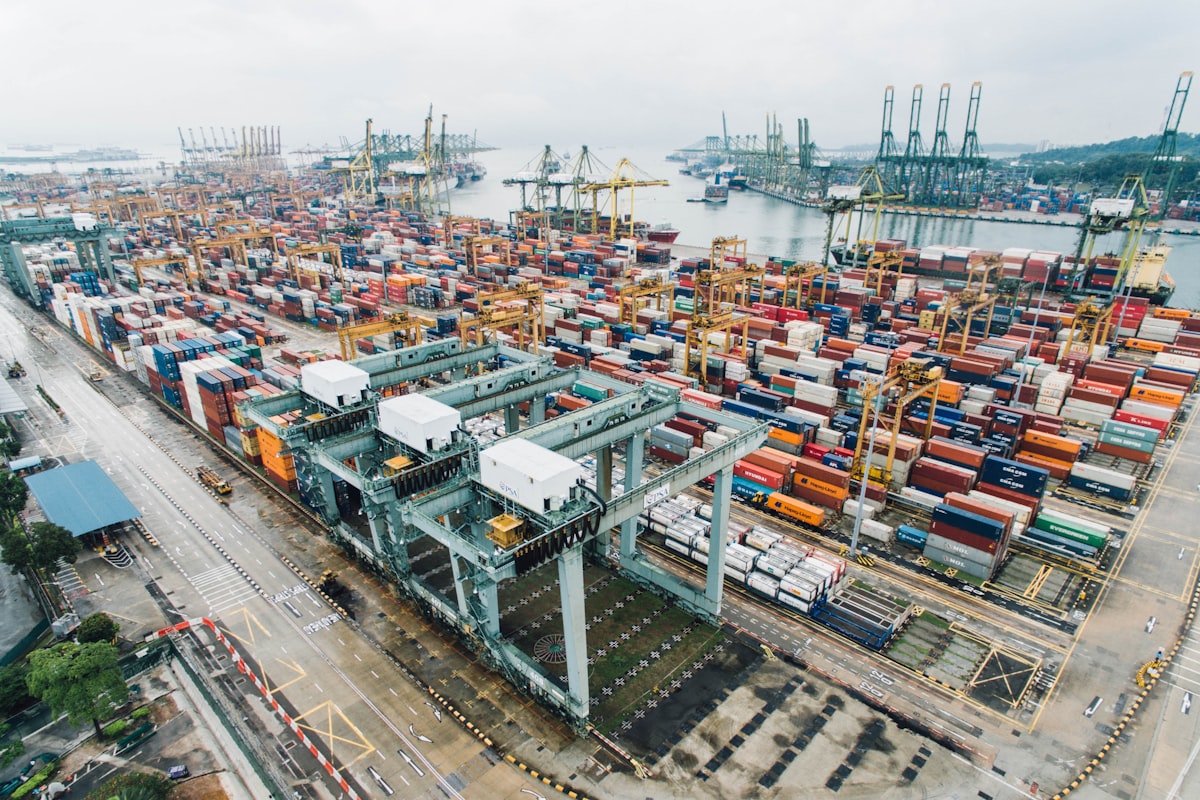
Sea freight is the most cost-effective way to move large volumes of goods between India and international markets. A 20-foot container from Nhava Sheva (JNPT) to Hamburg costs a fraction of the equivalent air freight -- but the journey takes 22 to 28 days, and the cargo faces conditions that domestic packaging simply is not built for.
This step-by-step guide covers everything you need to do to pack goods correctly for sea freight from India -- from choosing the right box to sealing the container.
---
Step 1 -- Identify Your Cargo Category
Before choosing any packaging, classify your cargo:
Category A -- Light consumer goods (under 5 kg per unit): clothing, accessories, crafts, small electronics. Standard export corrugated packaging is sufficient.
Category B -- Medium industrial goods (5 to 50 kg per unit): auto components, spare parts, industrial hardware. Needs 5-ply corrugated boxes with inner protection.
Category C -- Heavy machinery and equipment (above 50 kg per unit): machinery, fabricated structures, complete assemblies. Needs wooden export crates with full seaworthy protection.
Category D -- Hazardous goods: chemicals, batteries, compressed gases. Needs UN Dangerous Goods compliant packaging. Consult your freight forwarder before proceeding.
---
Step 2 -- Choose the Right Outer Packaging
For Category A (under 5 kg): 3-ply corrugated boxes, 14 BF minimum. Standard box sizes (A5 to A1). Seal with H-tape method.
For Category B (5 to 50 kg): 5-ply double-wall corrugated boxes, 20 BF minimum. 150 GSM liner. Custom or standard sizes. H-tape sealing plus PP strapping on cartons above 15 kg.
For Category C (above 50 kg): Custom wooden export crates from ISPM-15 certified timber. Crate dimensions: cargo dimensions plus 50 to 100mm clearance on all sides for inner cushioning. Integrated wooden pallet base for forklift handling.
---
Step 3 -- Add Inner Moisture and Corrosion Protection
Sea freight containers accumulate condensation over the voyage. This is the leading cause of moisture damage to goods inside apparently intact packaging.
For all cargo: Place inner polyethylene bag (HDPE) inside the corrugated box or wooden crate before placing goods. Seal the bag. This creates a moisture barrier even if the outer packaging gets wet.
For ferrous metal components: Wrap in VCI (Volatile Corrosion Inhibitor) film before placing in the inner bag. VCI prevents rust formation on metal surfaces during the voyage.
For electronics and precision instruments: Use aluminium foil vacuum bags sealed with a vacuum sealer. This removes all air and moisture from the immediate product environment.
---
Step 4 -- Add Inner Cushioning
The cargo must not be in direct contact with the box or crate walls. Vibration over 25 to 30 days of sea transit causes abrasion between surfaces.
Minimum cushioning on all six sides: 25mm for Category A and B cargo, 50mm for Category C.
Cushioning materials:
Standard bubble wrap: for ceramics, glassware, consumer goods.
Large-bubble bubble wrap: for fragile decorative items and irregularly shaped goods.
PE foam sheets (5 to 25mm): for precision components, electronics, and metal parts.
Custom foam cut-outs: for high-value instruments and assemblies.
---
Step 5 -- Add Desiccant
Silica gel desiccant packets absorb the moisture that accumulates inside sealed packaging during a sea voyage. This is your last line of defence against moisture damage.
Quantity:
Routes up to 15 days (India to Middle East, Singapore): 1 unit per cubic foot.
Routes 15 to 25 days (India to East Africa, Southeast Asia): 2 units per cubic foot.
Routes above 25 days (India to Europe, USA, Australia): 3 units per cubic foot.
Place desiccant inside the sealed inner packaging -- not in the outer corrugated box.
---
Step 6 -- Seal the Inner and Outer Packaging Correctly
Inner bag: Heat seal or use cable ties. The inner moisture barrier must be completely sealed.
Outer corrugated box: H-tape method using BOPP packing tape -- three strips (centre seam + two edge seams) on both top and bottom. For boxes above 15 kg, add PP strapping band around the box width at the midpoint.
Wooden crates: Lid secured with screws or bolts at minimum four points per side. No loose or bowed lids.
---
Step 7 -- Mark Every Package
Every outer package must show these marks permanently:
Shipper name and address
Consignee name and destination
Package number (e.g. Box 1/48, Box 2/48)
Gross weight (kg)
Net weight (kg)
Dimensions (L x W x H in cm)
Port of destination
Any handling instructions (Fragile, This Way Up, Keep Dry)
Marks must be stencilled, printed, or clearly labelled -- not handwritten. They must be weather-resistant. Place marks on at least two sides of every package.
ISPM-15 marked wooden packaging will already have the certification mark from the treatment facility.
---
Step 8 -- Build the Pallet Correctly
Standard pallet sizes for sea freight containers:
Euro pallet: 800 x 1200mm -- fits 2 across a 20-foot container width.
Industrial pallet: 1000 x 1200mm -- fits well in standard containers.
Stacking rule: Heaviest cartons at base, lightest on top. No overhang beyond pallet edges. Maximum stack height depends on cargo weight -- typically 1.2 to 1.8m for safe forklift handling.
After stacking: Wrap the entire pallet with stretch film, starting from the base and working upward, minimum 3 layers. Apply PP strapping bands at two horizontal points.
All wooden pallets for international sea freight must be ISPM-15 certified.
---
Step 9 -- Load the Container Correctly
Weight distribution: Place heaviest pallets and crates first, against the far end of the container. Work toward the doors. Distribute weight evenly across the container floor.
Fill all void space: Gaps between cargo allow movement during sea transit. Fill with airbag dunnage, foam blocks, or tightly packed corrugated sheets. No void space should allow cargo to shift more than 50mm.
For wooden crates: Place wooden chock blocks around the base on all sides. Apply PP or steel lashing bands from the crate to the container floor lashing rings.
---
Step 10 -- Photograph the Load Before Sealing
Before closing and sealing the container, take photographs showing:
Overall container load from the door
Each pallet or crate with its marks visible
Any lashing bands and chocking
The container seal number after sealing
These photographs are essential for any damage claim and demonstrate that cargo was correctly loaded when it left your facility.
---
Products from Upackarts for Sea Freight Packaging
5-Ply Heavy Duty Corrugated Boxes: upackarts.in/products/5-ply-heavy-duty-corrugated-boxes/
Wooden Export Crates (ISPM-15): upackarts.in/products/wooden-export-crates/
Seaworthy Wooden Packaging: upackarts.in/products/seaworthy-wooden-packaging/
Wooden Pallets (ISPM-15): upackarts.in/products/wooden-pallets/
Silica Gel Packets: upackarts.in/products/silica-gel-packets-packaging/
Bubble Wrap Rolls: upackarts.in/products/bubble-wrap-rolls/
Foam Sheets and Rolls: upackarts.in/products/foam-sheets-rolls/
BOPP Packing Tapes: upackarts.in/products/bopp-packing-tapes/
PP Straps and Clips: upackarts.in/products/pp-straps-clips/
Stretch Film: upackarts.in/products/stretch-film/
Delivery within 3 to 4 working days across Pune and Maharashtra. GST invoice. WhatsApp +91-88560-64045.
---
Frequently Asked Questions
What is the minimum box strength for sea freight from India?
Use 5-ply double-wall corrugated boxes with minimum 20 BF (Burst Factor) for goods between 5 and 20 kg going by sea freight. For goods under 5 kg, 3-ply with 14 BF is acceptable for courier and air freight. Never use 3-ply for sea freight cargo above 5 kg.
How do I prevent moisture damage in sea freight?
Use an inner HDPE poly bag as a moisture barrier, add silica gel desiccant packets at 2 to 3 units per cubic foot for long sea routes, and use VCI film on ferrous metal components. These three measures together prevent over 90 percent of moisture-related transit damage.
Do I need ISPM-15 for wooden pallets in sea freight?
Yes. All wooden pallets, wooden crates, and wooden dunnage used in international sea freight must be ISPM-15 certified. Non-compliant wooden packaging will be detained or rejected at the destination port.
How do I secure cargo inside a shipping container?
Place heaviest cargo first, distribute weight evenly, fill all void space with dunnage to prevent movement, chock wooden crates with timber blocks, and apply lashing bands from heavy crates to the container floor lashing rings. Photograph the load before sealing.
Need Packaging for Your Business in Pune?
Bulk corrugated boxes, wooden crates, and custom packaging at the best prices. Response in 30 minutes.
Related Articles


Get a Quick Quote
Tell us your requirement. Response in 30 minutes.
Request Quote WhatsApp Now- ✔ Reply in 30 minutes
- ✔ GST Invoice included
- ✔ Bulk pricing available
- ✔ Same-day dispatch, Pune